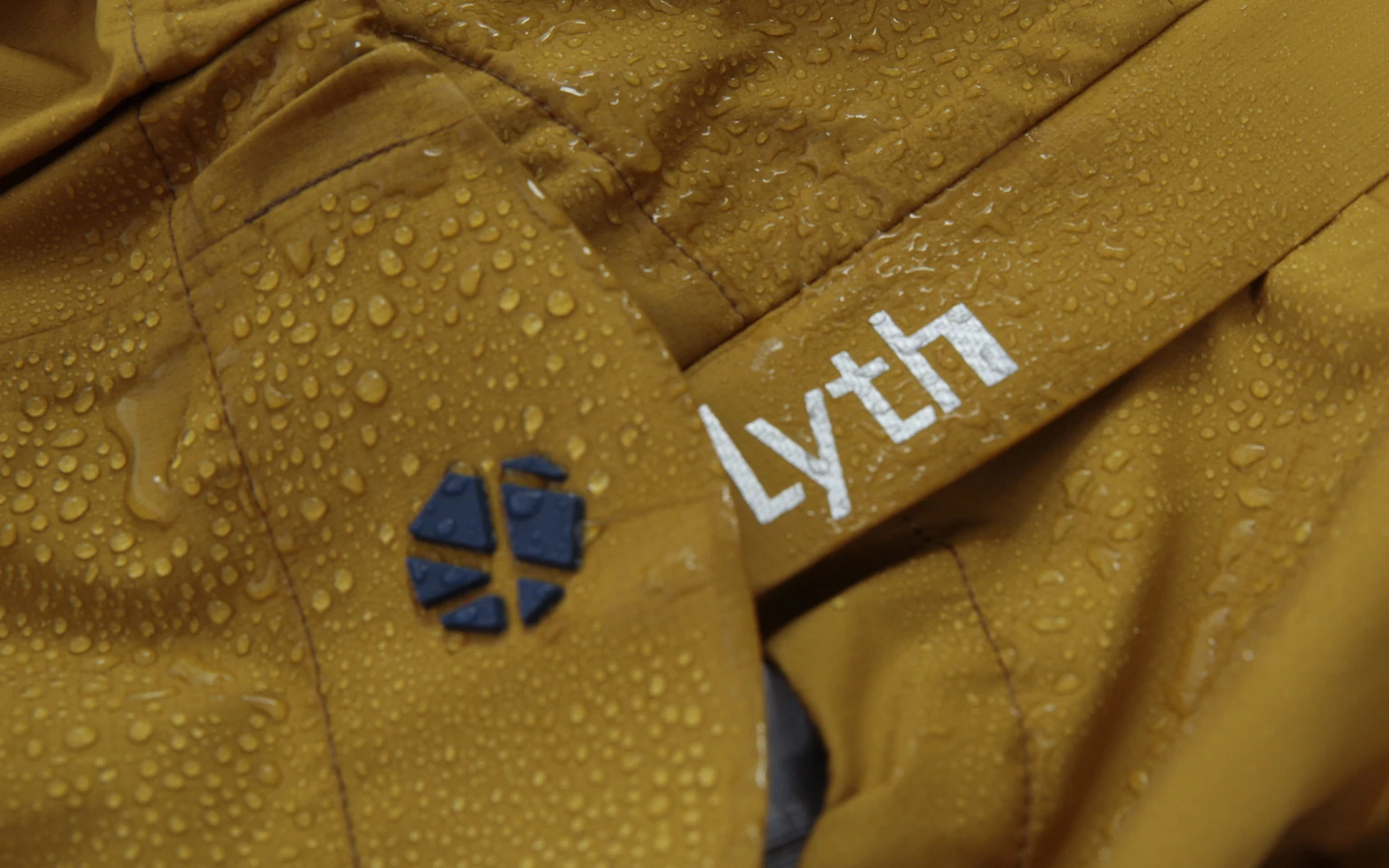
3L Hardshell Jacket: The New Standard for Outdoor Layers
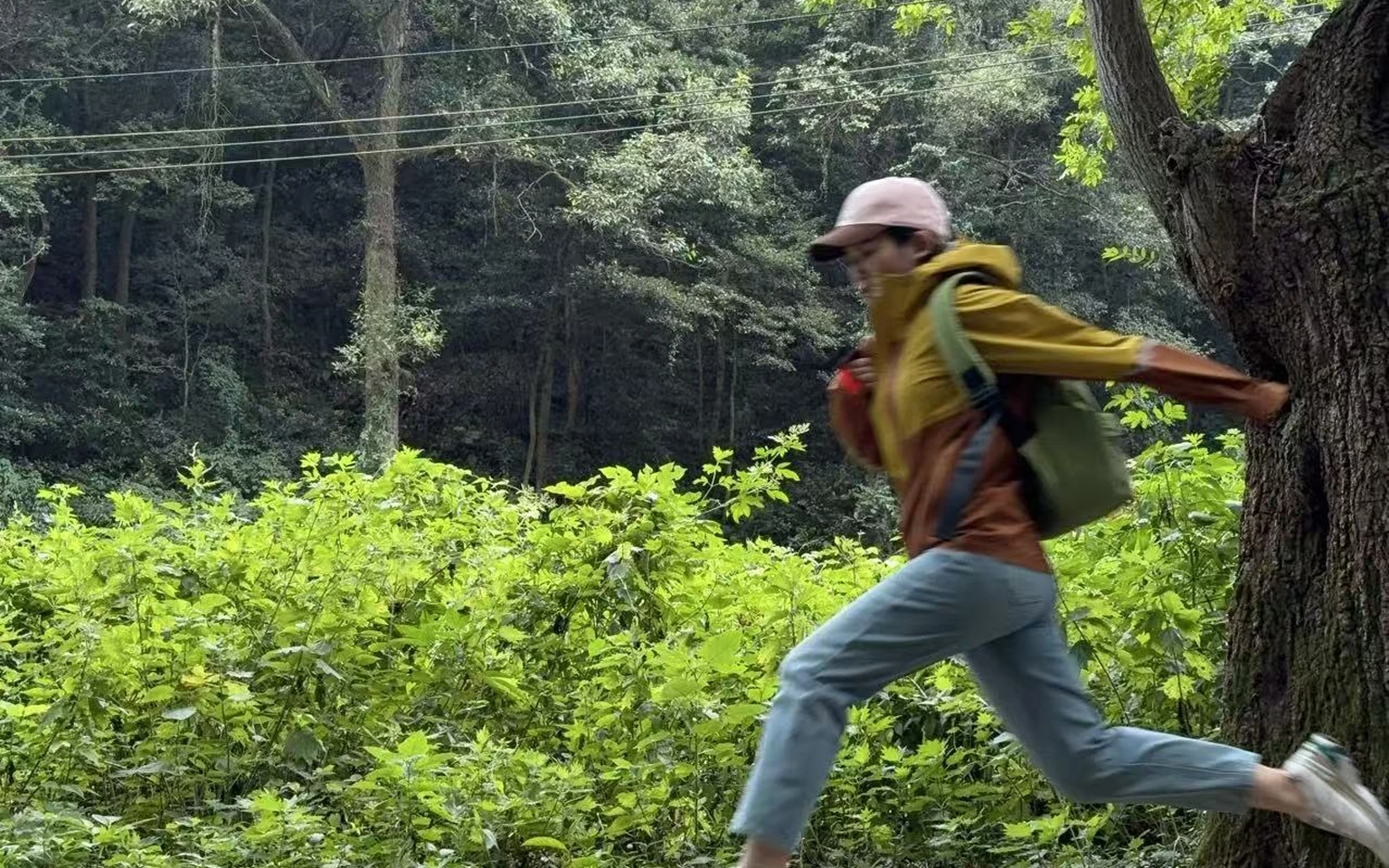
Packable shells and 3-layer constructions that cut freight volume and elevate end-user comfort. See how 2L and 3L compare before you spec.
Read the guide →
Fabric innovation, compliance updates and style direction for outdoor apparel and hi-vis workwear programs — written from the production floor, not a trend agency deck. What EU & US buyers are specifying for upcoming seasons.
Fabric innovation, compliance updates and style direction we are developing for upcoming seasons.

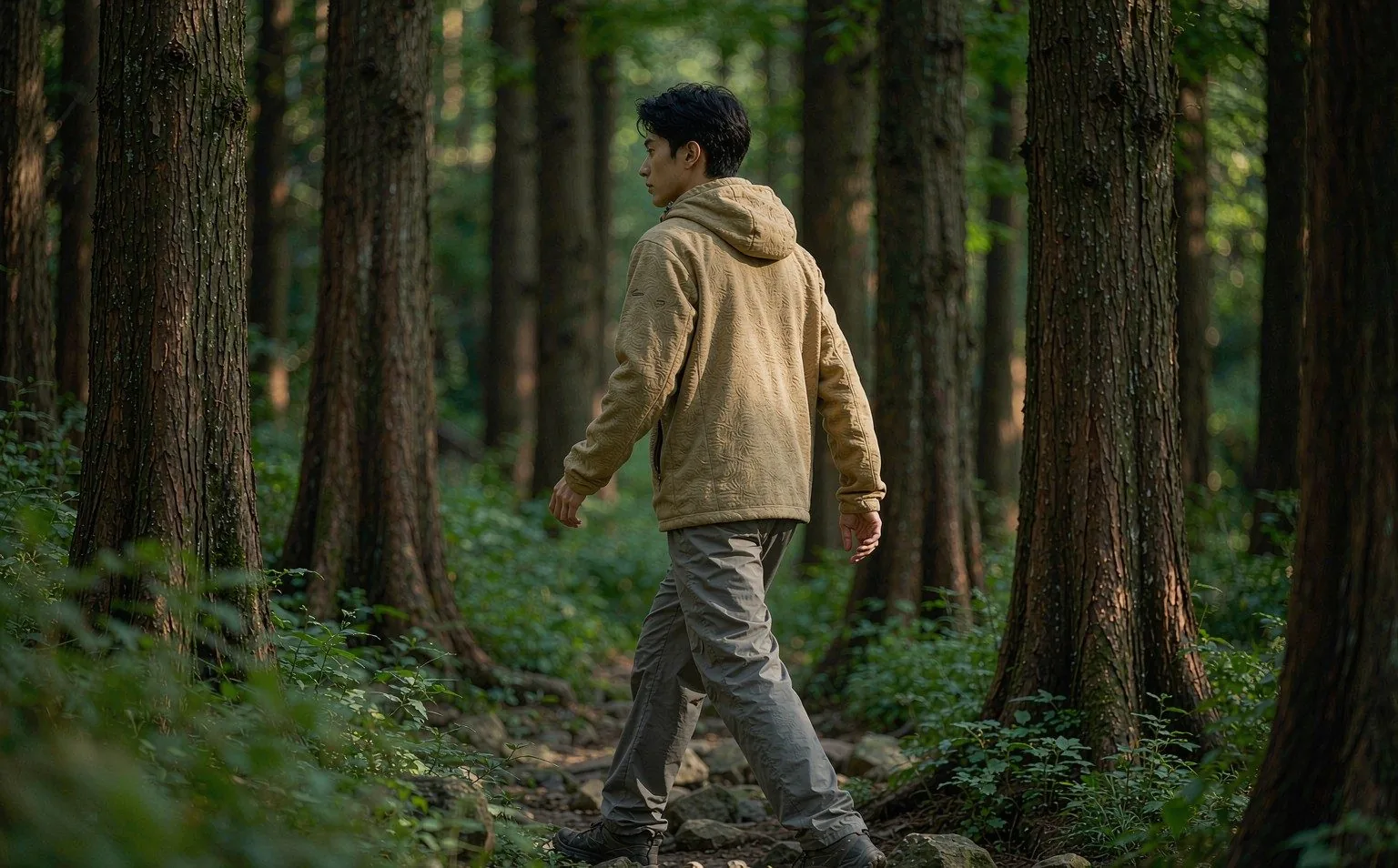
Packable shells and 3-layer constructions that cut freight volume and elevate end-user comfort. See how 2L and 3L compare before you spec.
Read the guide →
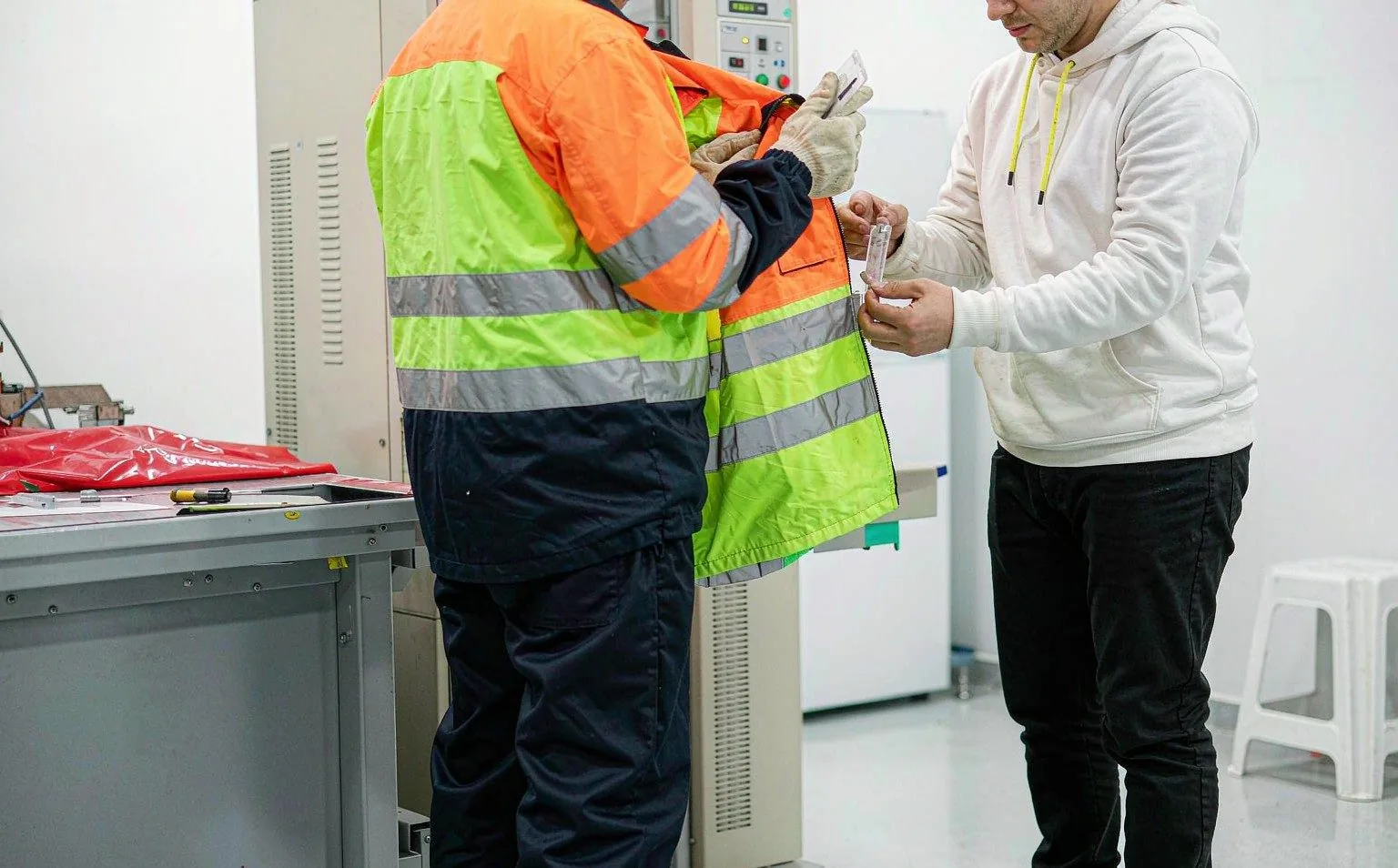
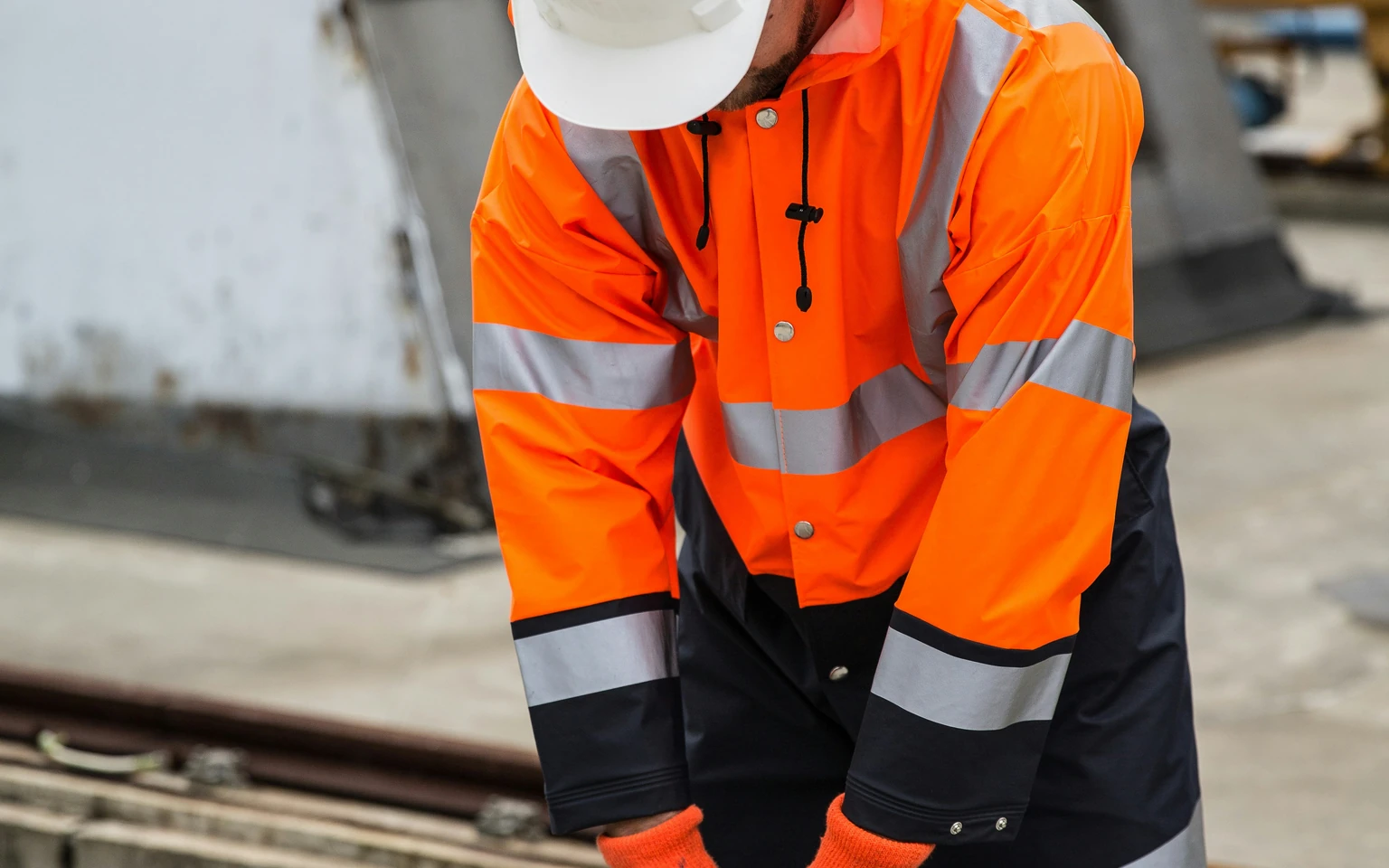
Certified visibility no longer means boxy cuts. Class 3 requirements, tape placement and the 5% logo rule — explained for buyers.
Read the guide →
Recycled fleece and padding options with full traceability — plus the 2026 hi-vis trend toward waterproof, reflective and sustainable workwear.
Read the guide →Trend decks are easy to make; programs that ship are harder. Everything we publish here is cross-checked against what our lines in Tianjin can actually run at 400 pcs per color MOQ — from 3L hardshell jacket lamination and taped-seam construction to EN ISO 20471 certified hi-vis workwear with modern, articulated fits.
Three directions are shaping buyer specs for 2026/27: lighter 3-layer constructions replacing bulky 2L ski shells; compliance-driven workwear where certified visibility and comfortable fits must coexist; and GRS recycled materials moving from marketing story to purchase-order requirement in EU tenders.
Specifying a program around any of these? Our project team turns tech packs into counter-samples in 7–10 days, with ISO 811 hydrostatic head testing and AQL 2.5 final inspection built into the calendar.
Every trend we track maps to a capability we run in-house — so your seasonal buy stays realistic on price, MOQ and lead time:
3L hardshell jacket program →
GRS recycled fleece mid-layer →
EN ISO 20471 hi-vis workwear →
Tour the production system →
For deeper reads, visit our blog & guides — 2L vs 3L construction, EN ISO 20471 Class 3 requirements and the 2026 hi-vis trend report.

Trends travel at different speeds into different markets. From our 2025–26 RFQ stack, here's where European brands, North American brands, and Japan/APAC buyers are pulling — useful framing if you're planning two SKUs against the same season.
European buyers lead with EN ISO 20471 Class 2/3 certification, recycled content % thresholds (GRS / GOTS), and supply-chain traceability. Hi-vis is becoming a sustainable-workwear category rather than a commodity. We see RfQs asking for bluesign®-listed mills and PFAS-free DWR coatings even on entry-tier price points.
US and Canadian outdoor brands push 3-layer constructions with 20K/20K minimums, articulated patterning for athletic body types, helmet-compatible hoods, and powder skirts even at mid-tier. Workwear leans on ANSI/ISEA 107 but with stretch fabric blends that read closer to outdoor than to traditional safety.
APAC buyers want quiet design — low-contrast reflective, earth-tone palettes, ultralight packs that compress small. Fit blocks run slimmer; sleeve lengths trend long. Ski series RfQs from Japan frequently ask for 12K/12K instead of 10K/10K, paired with premium YKK Excella or Aquaguard zips.
Tell us your product, fabric spec and timeline. Our project team replies within 24 hours with sampling and quotation details.
Four labels that test four different things — what each one covers, what it does…
Read the guide →
3-layer or 2-layer? Fabric construction, taping, weight and unit economics compa…
Read the guide →
A 10,000 mm fabric means nothing if water walks through the needle holes — how w…
Read the guide →
Where hi-vis workwear is heading next season — waterproof breathable shells, seg…
Read the guide →